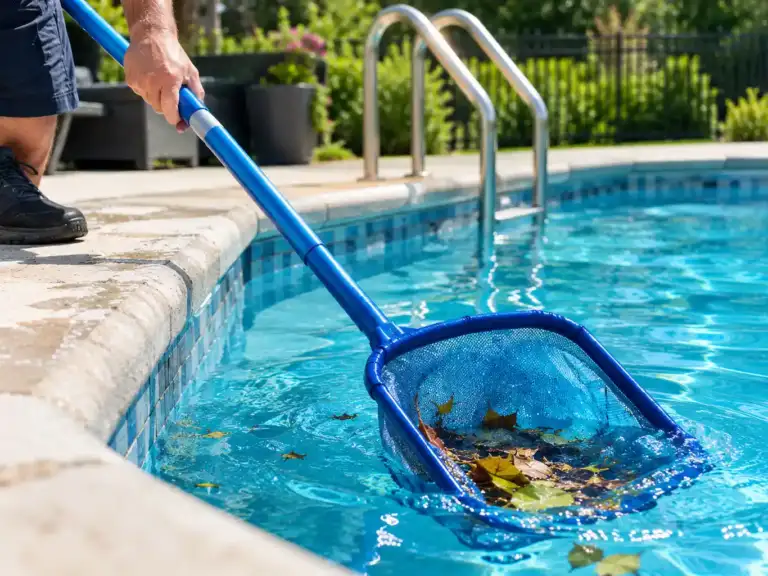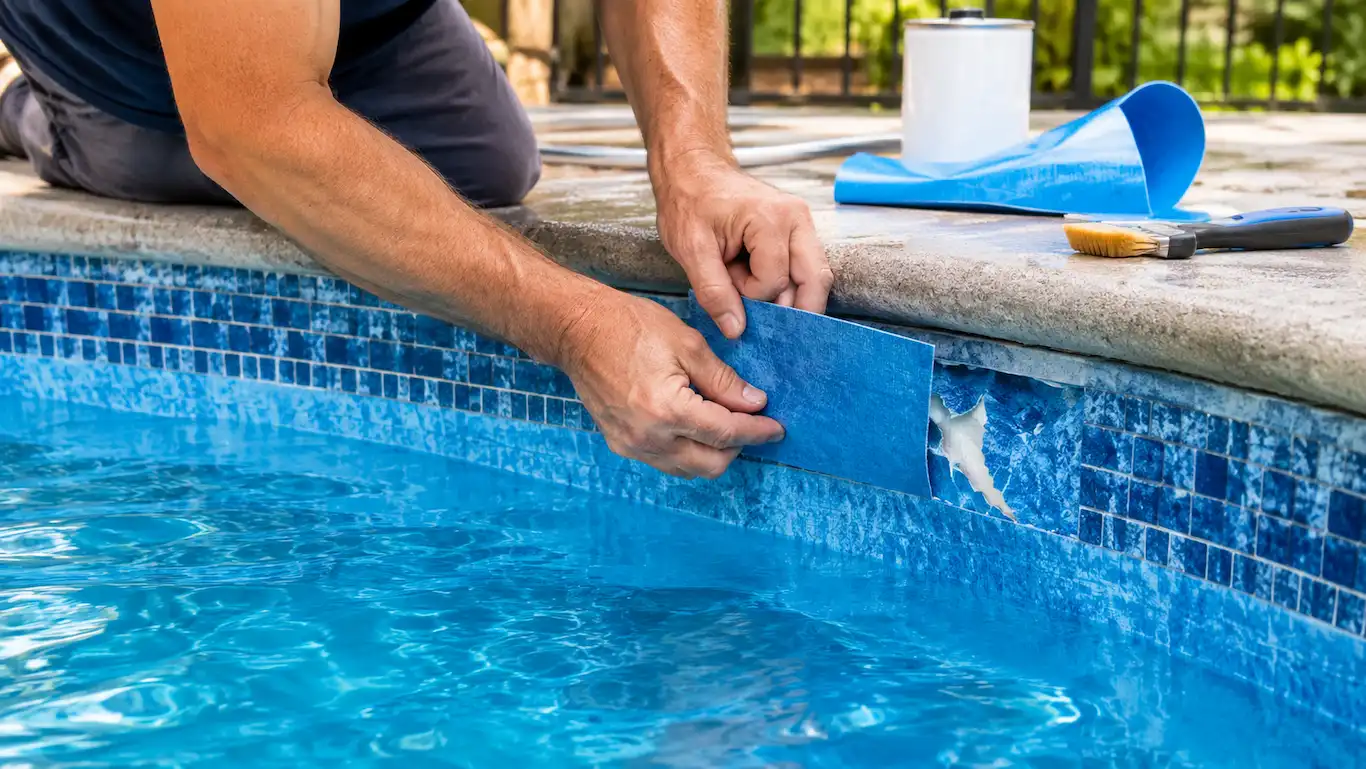
If you are looking for inground pool repair in Buffalo, NY, this guide covers common pool problems, warning signs, repair options, and 2026 cost considerations for homeowners throughout Western New York.
In Buffalo, NY, an inground pool is more than just a luxury; it is a place where families come together to cool off, relax, and make the most of the summer. But here’s the thing: the fun only lasts as long as the pool stays in good shape. Pools need regular attention. Pumps wear down, filters get clogged, plumbing leaks pop up, and sometimes the surface cracks or starts to show age.
Don’t let a small issue grow into a massive headache. Waiting on repairs just ramps up the cost and hassle. That’s why it helps to know the warning signs, especially around Buffalo, where harsh winters and wild weather put extra pressure on pool equipment.
Buffalo’s weather isn’t gentle on pools. You deal with freezing temps, snow, spring thaw, heavy rain, and temperature swings. Sometimes, a tiny problem during winter becomes a glaring issue the minute you reopen the pool when summer hits.
So, let’s break down the most common problems, how to spot them, what repairs usually involve, and what Buffalo homeowners might pay for fixes in 2026.
KD Pool Builders serves homeowners looking for pool repair throughout Buffalo and nearby communities, including Amherst, Cheektowaga, Lancaster, Hamburg, West Seneca, Tonawanda, and Niagara Falls. The service area includes ZIP codes such as Buffalo 14201, 14202, 14203, 14204, 14205, 14206, 14207, 14208, 14209, 14210, 14211, 14212, 14213, 14214, 14215, 14216, 14220, and 14222; Amherst 14051, 14068, 14221, 14226, and 14228; Cheektowaga 14043, 14206, 14211, 14212, 14215, 14221, 14225, and 14227; Lancaster 14086 and nearby Depew 14043; Hamburg 14075, 14085, 14218, and 14219; West Seneca 14206, 14210, 14218, 14220, 14224, and 14227; Tonawanda 14150, 14217, and 14223; and Niagara Falls 14301, 14302, 14303, 14304, and 14305.
These communities are part of the broader Buffalo Niagara area. Homeowners can also find familiar local landmarks and destinations near the service area, including Canalside, Delaware Park, the Buffalo waterfront, Buffalo River, Ralph Wilson Park, and Niagara Falls. Canalside and other Buffalo waterfront attractions are recognized local destinations, while Ralph Wilson Park sits at the junction of Lake Erie and the Niagara River.
Pool Problems in Western New York
Pools in WNY face challenges that pools in Florida or California rarely see. Yours might sit unused for months, buried under snow and ice. Even if you did everything right to winterize, stuff still wears out.
Most local homeowners start hunting for “inground pool repair buffalo ny” when they notice the pool losing water. A little evaporation is normal during hot days. But when the water level drops too fast, there’s probably a leak in the plumbing, liner, structure, or equipment.
Tracking down a pool leak is tricky. Water sneaks through underground pipes or other hidden spots. If you keep topping off the pool but it keeps draining, it’s time to call a pro.
For homeowners searching for “pool repair buffalo ny,” the right starting point is an inspection that considers the pool structure, circulation system, plumbing, pump, filter, valves, and other mechanical components.
Leaks and Water Loss
Ignore a leaking pool, and you’re asking for trouble. Even a small leak wastes water and sometimes signals deeper problems with the structure or circulation.
Leaks come from all sorts of places: cracked plumbing lines, busted skimmers, failing fittings, or a torn liner. You might spot clues by where the water level stops dropping. If it keeps vanishing even when the pump is off, suspect plumbing over equipment.
Pros have ways to hunt down leaks and pinpoint the source, so you don’t waste money guessing.
This is where professional pool leak repair can be important. A technician can determine whether water loss is connected to underground plumbing, the pool shell, a liner, fittings, skimmers, returns, or equipment.
Cracked Pool Surfaces
Concrete and gunite pools eventually show their age with cracks. Not all cracks are serious; some are cosmetic. But others let water move where you definitely don’t want it.
What caused the crack? Is it growing? Maybe it’s due to shifting soil, water pressure, general wear, or botched repairs. If you spot a new crack or an old one getting wider, get it checked out. Covering up the damage without solving the cause doesn’t really fix anything.
An inground pool repair inspection can help determine whether a crack appears cosmetic or whether it may involve the pool shell, surrounding structure, or water-retention system.
Old or Damaged Pool Liners
Vinyl liners are tough but not immortal. Sun, chemicals, time, and rough handling all take a toll.
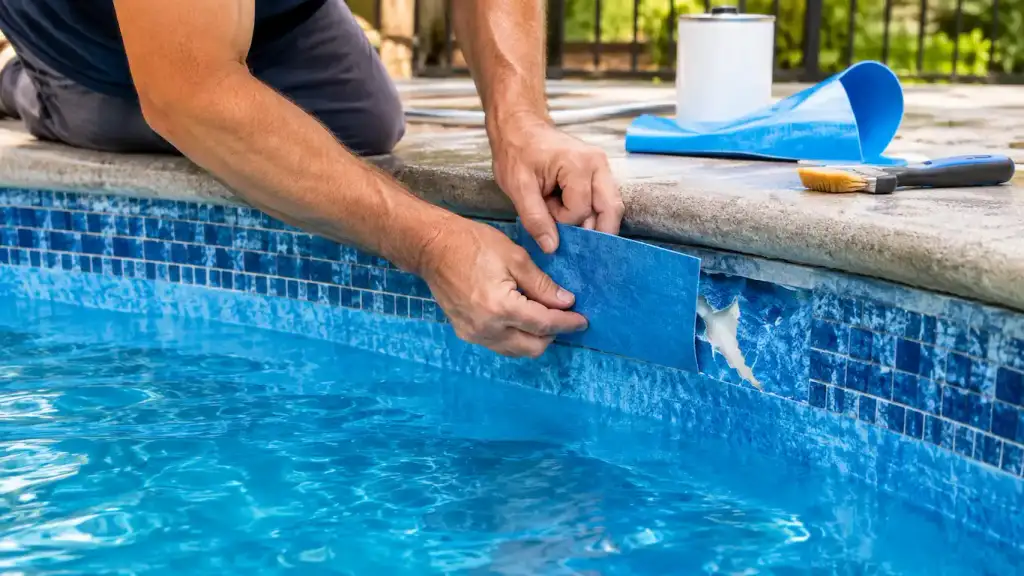
Tiny tears sometimes patch up okay, but big rips, brittle spots, or liners pulling away from the wall usually mean replacement. Don’t wait; it just gets more expensive and messy.
Pool Pump Troubles
Your pool pump is basically the heart of the system. If the pump whines, loses prime, stops moving water, or keeps shutting off, odds are it’s dealing with a mechanical or electrical issue. Worn bearings, damaged seals, clogs, electrical gremlins, and age are common culprits.
Sometimes you can repair a pump. But after a certain point, replacement makes more sense, especially if parts are hard to find. Only pros should touch anything electrical; water and electricity are a bad mix.
If the pump is beyond economical repair, pump replacement may be the practical solution. The correct replacement depends on the pool volume, plumbing configuration, required flow rate, equipment pad, and existing circulation system.
Filter Failures
Filters catch dirt and debris. If yours is clogged or damaged, you’ll see poor flow or cloudy water no matter how often you add chemicals. Pressure gauges help flag issues, but repairs vary based on the filter type, sand, cartridge, or diatomaceous earth. Sometimes a deep clean does the trick; other times, you’ll need parts replaced.
Filter performance is also connected to circulation and water chemistry. A professional diagnosis can help determine whether the filter itself is the problem or whether another component is restricting water flow.
Skimmer and Return Issues
Skimmers pull debris off the water’s surface. Returns pump clean water back in. If you spot a cracked skimmer, damaged basket, or blocked line, circulation suffers. You might even see air bubbles in the system or wet spots around equipment.
These symptoms often mimic pump failure but actually trace back to other culprits. That’s why having a technician figure it out saves time and frustration.
Heater Headaches
Buffalo folks often rely on pool heaters to stretch the swim season. Heaters that refuse to start, don’t heat right, shut down, or throw error codes usually need a checkup. The problem could be anything: electrical, gas supply, sensors, water flow, or internal parts. Leave heater repairs to pros, especially if gas or electricity is involved.
A heater should be evaluated as part of the complete circulation and mechanical system. A flow restriction, faulty sensor, electrical problem, or internal component can produce similar symptoms, so replacing parts without a diagnosis can waste money.
Plumbing Problems
Pool plumbing is mostly hidden, which makes leaks a pain to spot. Underground lines can leak without leaving puddles. If you notice weak water pressure, pump weirdness, bubbles, or unexplained water loss, it often means plumbing trouble.
Professional repairs cover the whole system, pumps, filters, valves, connections, and heaters, so nothing gets missed.
This type of work falls under pool mechanical repair because the circulation system depends on multiple connected components working together.
How Repairs Happen
Successful inground pool repair starts with a thorough diagnosis. Swapping parts without knowing why something failed is just wasting money.
Pros inspect the pool, equipment, water level, circulation, pumps, filters, valves, plumbing, electrical components, and visible structures. It’s about finding what’s really wrong.
For a homeowner searching for local pool repair contractors, the diagnosis should be more than simply looking at the most obvious broken component. A proper inspection considers the complete pool system and the local conditions that can affect it.
Spot the Symptoms First
Before calling anyone, jot down what you’ve seen. How fast is the water dropping? When does the pump make noise? Is the filter gauge reading high? These details help technicians zero in quickly.
Don’t mess with electrical gear or chemicals unless you know what you’re doing. The CDC says keeping chlorine and pH levels in check keeps swimmers safe and your water healthy.
You can check more guidance if you want: CDC Guidelines for Keeping Your Pool Safe and Healthy.
Start With Easy Fixes
Sometimes, the fix is simple: a dirty skimmer basket, a clogged filter, low water level, or blocked circulation. For example, a sluggish pump might just have a clogged basket; cloudy water could be water chemistry, not a hardware issue.
But don’t play guessing games. Just observe and figure out if it’s basic maintenance or something that needs a pro.
When to Call Experts
Call for help when you can’t find the problem, when the pool keeps losing water fast, or if you suspect mechanical, electrical, structural, or hidden plumbing trouble. Repairs on pumps, heaters, or underground systems especially need pros.
Look for a local company that knows Buffalo pools and equipment.
KD Pool Builders provides pool repair services and pool inspections, along with pool remodeling and commercial pool services. Its published service information specifically describes technicians diagnosing and repairing pool equipment problems such as pumps, heaters, and leaks.
KD Pool Builders handles all sorts of repairs: dial (716) 300-2773. They’ll help you figure out if it’s an easy fix, needs replacement, or calls for a bigger upgrade.
Why Buffalo Pool Owners Should Act Before Winter
Getting your pool ready for winter matters more than you think. Leftover water in pipes or equipment freezes, expands, and cracks stuff. Even a tiny problem at season’s end can snowball after months of freezing.
Proper closing goes a long way, but older or damaged gear should get looked at. Fixing things before winter means a smoother reopening and fewer nasty surprises.
For homeowners in Buffalo, Amherst, Cheektowaga, Lancaster, Hamburg, West Seneca, Tonawanda, and Niagara Falls, seasonal inspection is especially useful because pool equipment can remain inactive through a long winter.
Spring Opening, Hidden Trouble
After winter’s done, spring is when homeowners often discover stuff’s gone wrong. Maybe the pump won’t start, filter pressure’s odd, water’s leaking, or valves don’t work.
Start by pinning down the root cause: Is it equipment, plumbing, water level, or structure? Don’t keep running broken gear; it tends to make things worse. If something seems off, get it inspected rather than forcing it.
A spring pool inspection can be particularly useful when a homeowner notices unexpected water loss, abnormal pump sounds, weak circulation, pressure changes, or equipment that does not start normally.
2026 Repair Price Guide
Repairs range from minor fixes to major overhauls, and costs are all over the place depending on your pool, the problem, parts, labor, and how accessible everything is.
Here’s what Buffalo homeowners might expect for 2026:
| Repair | General 2026 planning range |
| Minor equipment fixes | $150 to $500+ |
| Pump repair | $200 to $600+ |
| Pump replacement | $500 to $1,500+ |
| Filter repair/replacement | $200 to $700+ |
| Leak detection | $200 to $600+ |
| Pool leak repair | $300 to $2,000+ |
| Plumbing repair | $300 to $2,500+ |
| Heater repair | $250 to $1,000+ |
| Liner repair | $150 to $700+ |
| Vinyl liner replacement | $2,000 to $5,000+ |
| Structural cracks | $500 to $3,000+ |
| Major pool restoration | $2,000 to $10,000+ |
Remember, these are just ballpark figures. Get a professional inspection to nail down real costs.
These figures are planning ranges, not fixed KD Pool Builders prices or guaranteed quotes. Actual pricing can change based on the pool type, equipment, parts, labor, access, extent of damage, and location.
What Drives Pool Repair Costs?
First, what’s broken? Swapping a small fitting is way less involved than reworking underground plumbing.
Second: accessibility. Gear you can reach easily is faster to fix than stuff buried out of sight.
Old equipment can mean pricey parts or no parts at all. Sometimes it just makes sense to replace rather than keep patching.
Pool type matters. Vinyl, fiberglass, and concrete each have their own quirks.
Sometimes trouble is bigger than it looks. For example, a pump might seem faulty, but the real culprit is a blocked plumbing line.
Local conditions can also affect the repair process. Buffalo-area homes can have different yard layouts, equipment-pad configurations, access conditions, and underground plumbing arrangements. That is why an on-site inspection is more useful than relying on a general online estimate.
Repair or Replace?
Homeowners always wonder: should I repair or replace?
It boils down to age, condition, repair costs, efficiency, parts availability, and remaining service life.
If your pump’s fairly new but lost a seal, fix it. If it’s ancient, has multiple issues, or repairs cost more than replacement, swap it out. The same thinking goes for filters, heaters, and valves.
Your contractor should lay out all options so you can make an informed choice.
When discussing pump replacement or another major equipment decision, ask the contractor to explain the condition of the existing component, the expected service life, the repair cost, the replacement cost, and whether compatible parts are still available.
Warning Signs You Shouldn’t Ignore
Some issues are obvious; others sneak up.
A fast-dropping water level is a big red flag. Pumps that keep losing prime, weird noises, grinding or humming, and cloudy water despite proper upkeep all need checking. Visible cracks, busted fittings, wet spots around gear, higher water bills, and air bubbles from return jets are other indicators.
A broken heater might be simple but could involve electrical, gas, water flow, or controls.
Letting a stressed mechanical component run only risks more damage.
If you are asking, “Who does inground pool repair near me in Buffalo?”, start by looking for a nearby pool professional that can inspect the actual cause rather than relying only on the visible symptom.
Keeping Repairs Down
Staying on top of maintenance won’t stop every problem, but it helps you catch stuff early.
Check water levels, inspect visible parts, clean baskets, follow filter care instructions, and pay attention to pump changes.
Water chemistry’s key. The CDC says chlorine and pH between 7.0 – 7.8 keep things safe and gear protected.
Winterization is big in Buffalo. Prep before the deep freeze using the right methods for your pool’s system. If you’re unsure about winter prep or a pre-closing repair, talk to a pro.
And don’t forget, New York State emphasizes pool safety, barriers, alarms, proper drains, and chemical handling.
New York State also provides residential pool safety information covering barriers, alarms, drain safety, and other pool-related safety considerations.
Choosing Pool Repair Contractors
Pick a local contractor based on experience, communication, and their ability to actually diagnose, not just replace stuff. Repairs should start by figuring out what’s wrong, not just swapping the most obvious part.
When comparing local pool repair contractors, ask whether they provide pool repair services and pool inspections, whether they work with your pool type and equipment, and whether they can explain the repair before work begins. KD Pool Builders’ published service information uses the exact service terms Pool Repair Services and Pool Inspections.
For example, if your pump won’t circulate, replacing it won’t fix the issue if there’s a blocked line.
Always ask what repairs are recommended and why. It helps you avoid surprises.
KD Pool Builders is a solid call in Buffalo; grab them at (716) 300-2773 to discuss repairs and solutions.
KD Pool Builders is located at 1496 Main St, Buffalo, NY 14209, United States. Its published phone number is (716) 300 2773.
The Buffalo location also places the company near established local destinations such as Delaware Park, Canalside, the Buffalo waterfront, and the Elmwood Avenue and Hertel Avenue areas. Homeowners farther north can also be near Tonawanda and Niagara Falls, while Southtown communities such as Hamburg and West Seneca are part of the same wider Western New York service market.
FAQs
How do I know if my inground pool needs professional repair?
Look for signs such as unexplained water loss, poor circulation, unusual equipment noises, visible cracks, damaged plumbing, leaking fittings, or equipment that will not operate correctly. If the cause is unclear, a professional pool inspection can help identify the problem.
How much does repair cost in Buffalo, NY?
Depends on the problem. Minor fixes run a few hundred bucks; big repairs, replacements, or structural work can hit thousands.
How can I tell if my pool’s leaking?
If you’re losing water faster than typical evaporation, and it happens even with the system off, it’s probably a leak.
When should I replace my pump?
Replace when it’s old, keeps failing, is inefficient, badly damaged, or more expensive to fix than swap out.
Who handles local pool repairs in Buffalo?
If you are searching for local pool repair contractors in Buffalo or nearby communities, KD Pool Builders can be reached at (716) 300-2773.
Conclusion
An inground pool is a big investment, and timely inground pool repair helps protect it. Staying on top of maintenance keeps your summer plans intact. Don’t panic over every little issue, but don’t ignore them either.
Buffalo’s weather makes pool care critical. Cold winters really put the squeeze on plumbing and gear. Get repairs done before winter and inspect everything in spring so you’re not caught off guard.
The key is simple: figure out what’s really wrong before you decide how to fix it.
If your pool shows damage or equipment isn’t working, KD Pool Builders at (716) 300-2773 can walk you through the repair process and flag what’s urgent.
Getting repairs done right and on time means you keep your pool ready for family fun, season after season. Regular care, quick fixes when needed, and prepping for Buffalo’s tough winters keep your pool in top shape for years to come.
For homeowners searching for inground pool repair buffalo ny, pool repair buffalo ny, pool leak repair, pump replacement, or pool mechanical repair, the most important step is getting an accurate diagnosis from a qualified local pool professional.